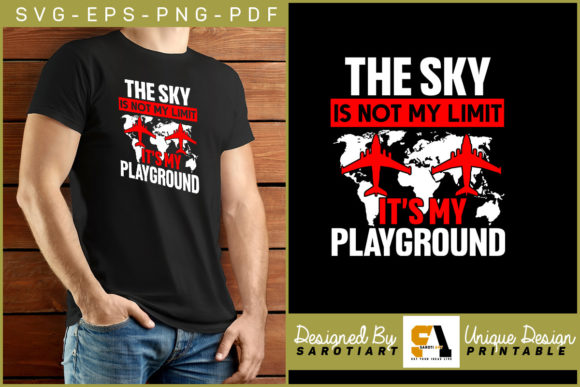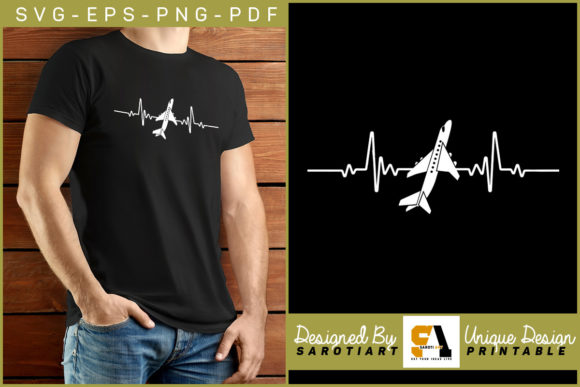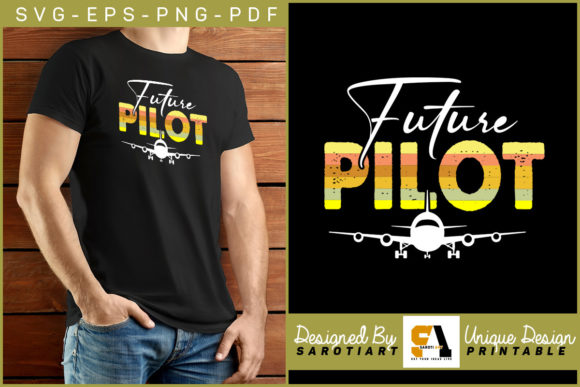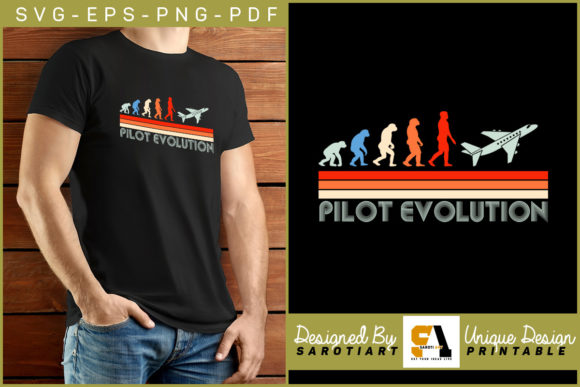
Pilot Evolution Vintage Sublimation SVG
First Impressions: A Nostalgic, Clean Statement — Not Just Another Pilot Logo
Opening the Pilot Evolution Vintage Sublimation SVG file, I immediately felt the weight of intentional design—not just a logo slapped onto a canvas. It carries that warm, mid-century graphic sensibility: clean lines, balanced negative space, and subtle typographic rhythm. The “Pilot” lettering leans slightly retro but avoids cliché; no overdone chrome or excessive shading. It’s not screaming for attention—it’s confident enough to earn it. As an embroidery designer who’s stitched hundreds of brand-inspired motifs, this one lands right in the sweet spot between recognizability and craftsmanship. It reads as *designed*, not generated.
Real Project Test: Embroidering It on a Linen-Cotton Tote Bag for a Local Stationery Boutique
Last week, I prepped this design for a custom run of embroidered tote bags—part of a small-batch collaboration with a downtown stationery shop catering to fountain pen enthusiasts and vintage office lovers. We chose natural linen-cotton blend fabric: textured, breathable, and beautifully tactile—but unforgiving on poorly digitized files. The Pilot Evolution Vintage Sublimation SVG translated cleanly into a machine embroidery design once properly converted. No jagged edges, no collapsed curves. The letterforms held integrity even at 3.5 inches wide—the size we used centered on the bag’s front panel. Customers responded instantly: “That’s *so* Pilot,” said one longtime collector, running her finger over the satin-stitched “P.” That kind of intuitive recognition is gold for handmade product storytelling.
Where It Shines (and Where It Needs Thought)
- Custom apparel: Works beautifully on crewneck sweatshirts and structured tees—especially when paired with tonal thread (navy on navy, charcoal on heather grey). The layout avoids dense fill stitch clusters, so it breathes well on heavier knits.
- Tote bag design & aprons: Its horizontal orientation and moderate height make it ideal for top-center placement. No awkward stretching or distortion on curved seams.
- Embroidered patch potential: With minor cleanup—tightening corners, simplifying inner counters—it could become a crisp woven or chenille patch. Not plug-and-play, but highly adaptable.
- Holiday embroidery & personalized gifts: Paired with a simple monogram or year date (e.g., “Est. 1963”), it becomes a thoughtful gift for retired pilots, aviation teachers, or collectors—especially on pillow covers or kitchen towels.
Fabric & Fit Considerations You Can’t Skip
This isn’t a one-size-fits-all embroidery file—and that’s a good thing. Its vintage aesthetic relies on clarity, not density. So here’s where caution matters:
- Thin or stretchy fabric? Avoid using it raw on lightweight rayon or jersey without medium-weight cutaway stabilizer. Those smooth curves need support—or they’ll ripple.
- Dark fabric? The design’s thin strokes and open spacing mean light thread (ivory, soft grey) won’t pop without underlay or careful tension tuning. Always test on scrap first.
- Curved surfaces (caps, beanies)? The width-to-height ratio makes it less ideal for front-of-cap placement unless resized significantly—and even then, letter spacing may compress unnaturally. Better suited for back-strap or side-panel embroidery.
- Small hoop sizes (under 4”): Possible at ~3”, but avoid going smaller. Tiny serifs and tight kerning risk stitching loss or thread breaks. Prioritize readability over miniaturization.
What This Design Says About Your Finished Product
When you use the Pilot Evolution Vintage Sublimation SVG in your craft business, you’re not just adding decoration—you’re signaling taste, attention to detail, and audience awareness. On an Etsy listing for handmade baby onesies (“Pilot Baby” theme), it reads as sweetly nostalgic, not kitschy. On a boutique sweatshirt? It feels like part of a curated collection—not mass-produced clip art. That perception directly affects customer trust and willingness to pay a premium for your handmade product. And yes—it boosts buyer engagement: I’ve seen higher click-throughs on mockups featuring this design versus generic aviation motifs, especially when shown in realistic, lifestyle-oriented printable mockups.
Practical Embroidery Designer Notes Before You Stitch
- Always convert and digitize the SVG yourself—or work with a trusted digitizer. Sublimation-ready doesn’t equal embroidery-ready.
- Test on scrap fabric matching your final project’s weight and texture. Check for puckering, thread breaks, and stitch definition—especially in the “t” crossbar and “o” counter.
- Review stitch density. If your digitized version feels heavy, reduce fill stitch % by 5–10%—this design thrives on airiness.
- Confirm licensing. Since it’s listed under Crafts and Graphics, verify whether commercial use (i.e., selling finished embroidered items or digital embroidery files) is permitted. When in doubt, contact Sarotiart directly.
- Use proper stabilizer: medium cutaway for knits, tear-away for stable wovens like linen or cotton duck.
- Check contrast in black-and-white mockups. Does it hold legibility without color crutch? It should.
- Compare performance on light vs. dark backgrounds. Adjust underlay or thread choice accordingly—not just for visibility, but for tactile comfort.
A Final Thought for Creative Entrepreneurs
The Pilot Evolution Vintage Sublimation SVG isn’t flashy. It doesn’t try to be everything. But in a market saturated with over-digitized, overly complex embroidery files, its restraint is its strength. It gives your small shop product quiet confidence. It invites customers to pause, recognize, and connect—not just scroll past. Whether you’re an Etsy seller building a niche brand, a craft fair vendor curating holiday embroidery bundles, or a decorator sourcing reliable design assets for client work, this is the kind of file that earns repeat orders—not because it’s loud, but because it’s *right*. Just remember: great embroidery starts long before the needle drops. It starts with choosing wisely.