Pilot Heartbeat Vintage Design T-shirt
First Impressions: A Nod to Nostalgia, Not Just a Logo
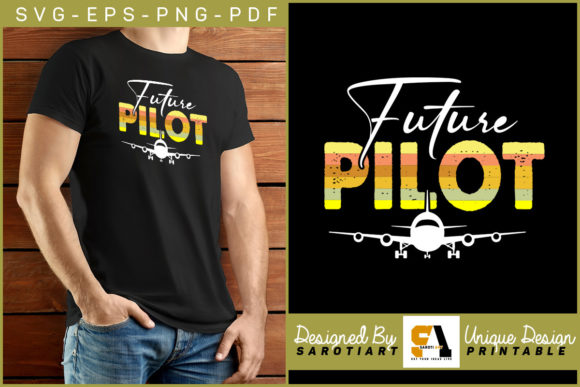
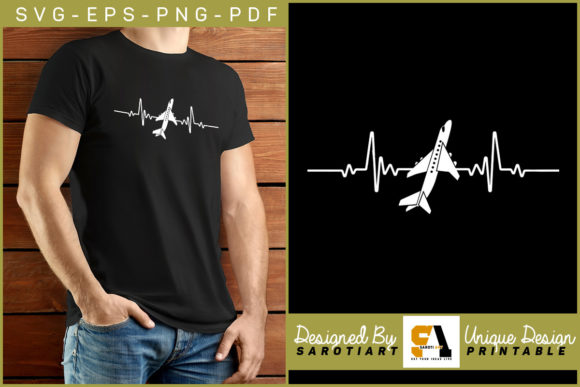
When I opened the Pilot Heartbeat Vintage Design T-shirt file, I didn’t see another aviation cliché—I saw rhythm. The heartbeat line doubles as a stylized flight path, looping gently through a retro-inspired pilot badge. It’s not overly detailed, but it’s intentional: clean curves, balanced negative space, and that subtle vintage grain texture baked into the outline. As an embroidery designer who’s stitched hundreds of aviation-themed pieces—from flight school caps to nursery wall hangings—this lands differently. It feels human, not algorithmic. That matters when you’re building trust with Etsy buyers or boutique clients who want handmade authenticity, not mass-produced clip art.
A Real Project Test: Embroidering a Linen Apron for a Local Café
Last week, I used the Pilot Heartbeat Vintage Design T-shirt on a natural linen apron for a small-town coffee roaster whose owner is a retired airline captain. We placed it left-chest, 3.2" wide. Why that spot? Because the design’s horizontal flow anchors well there—not too tall, not too narrow—and the heartbeat curve echoes the gentle drape of the apron fabric. Stitched in matte navy thread on oat-colored linen, the result was warm, grounded, and quietly confident. Customers noticed it. Not because it shouted, but because it *belonged*. That’s the quiet power of this design: it enhances context instead of competing with it.
Where It Shines (and Where It Needs Care)
The Pilot Heartbeat Vintage Design T-shirt works beautifully across several real-world embroidery projects:
- Custom apparel: Especially on crewneck sweatshirts and structured tees where the vintage mood reads clearly without visual clutter.
- Embroidered patch: Clean outer edge and moderate detail make it ideal for iron-on or sew-on patches—no fraying corners or lost linework after washing.
- Baby embroidery: On organic cotton onesies or burp cloths, its soft shape and lack of tiny text keep it safe, sweet, and legible—even at 2.5".
- Holiday embroidery & personalized gifts: Paired with a simple “Happy First Flight” tag on a baby blanket or embroidered kitchen towel, it adds warmth without overwhelming.
- Craft business & Etsy seller use: It’s distinctive enough to stand out in search results but timeless enough to avoid dating quickly—key for digital embroidery file listings or printable mockups.
But let’s be practical: this isn’t a one-size-fits-all machine embroidery design. Use caution on:
- Stretchy fabric like jersey knits—without proper cutaway stabilizer, the heartbeat line can distort under tension.
- Textured fabrics (e.g., heavy terry cloth or bouclé) where fine satin stitch details may sink or blur.
- Curved surfaces like baseball caps—test hoop placement first; the top arc of the badge may pull if hooped too tightly.
- Dark fabric—check contrast in your thread colors. A light gray fill stitch can disappear on charcoal; go for charcoal-gray thread on black, or off-white on navy.
- Small hoop sizes under 4x4"—the full composition needs breathing room. Crop thoughtfully, or use just the heartbeat line alone as a minimalist running stitch accent.
What It Adds to Your Finished Product
This isn’t just about stitches—it’s about perception. When customers see the Pilot Heartbeat Vintage Design T-shirt on a handmade product, they register care: care in curation, care in execution, care in meaning. That lifts perceived value instantly. For small shop owners, it strengthens brand consistency—especially if you pair it with other vintage-aviation assets in your design library. For craft fair sellers, it sparks conversation (“Is that your dad’s old flight log?”). And for digital product sellers, it’s a reliable anchor piece: versatile enough for commercial embroidery licensing, yet distinctive enough to avoid blending into the sea of generic pilot graphics.
Designer Notes You’ll Actually Use
Before stitching your first Pilot Heartbeat Vintage Design T-shirt project:
- Test on scrap fabric first—especially if using textured or stretchy material. Watch how the heartbeat line holds its curve.
- Review stitch density. If your machine struggles with dense fill areas, consider simplifying the badge background to a lighter fill stitch or open satin.
- Confirm hoop size compatibility. This design leans horizontal—ensure your hoop supports stable centering without trimming key elements.
- Inspect small details: The pulse dots along the line are subtle but important. If they vanish in test stitching, bump up the stitch length slightly or reduce underlay.
- Try black-and-white mockups. Does the silhouette read clearly? If not, adjust thread contrast before committing to dark fabric.
- Use appropriate stabilizer: Medium-weight cutaway for knits, tear-away for stable wovens like denim or canvas.
- Verify licensing. Since this is listed under Crafts and Graphics, confirm whether the file permits commercial embroidery use, resale of finished products, or bundling in digital embroidery bundles—don’t assume.
Final Thought: It’s Not Just a Design—It’s a Conversation Starter
I’ve stitched dozens of “pilot” designs over the years—some flashy, some technical, some forgettable. The Pilot Heartbeat Vintage Design T-shirt stands apart because it doesn’t try to impress with complexity. It invites connection. Whether you’re embroidering a retirement gift for a lifelong aviator, branding a new aviation-themed café, or listing your first Etsy embroidery file bundle, this design carries weight without heaviness. It’s ready for real work—on tote bags, baby items, holiday gifts, and small shop merchandise—if you meet it with intention, not just automation. That’s what makes it worth your time, your thread, and your customer’s attention.