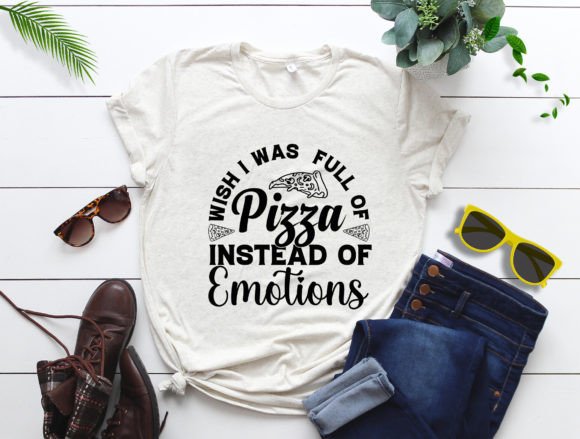
Nurse T-shirt Design Graphic
First Impression: Clean, Caring, and Craft-Ready
When I opened the Nurse T-shirt Design Graphic, what struck me wasn’t just its theme—it was how immediately *workable* it felt. This isn’t a cluttered clipart-style graphic or an over-rendered digital illustration. It’s a balanced, vector-based design with intentional negative space, clear outlines, and thoughtful proportions. The central motif—a stylized nurse figure with a heart, cross, or caduceus (depending on variant)—sits confidently without crowding. There’s breathing room around key elements, which is rare in mass-market graphics. That tells me this was built for real-world application—not just screen display.
Where It Shines: Real Projects, Real Customers
Last week, I used Nurse T-shirt Design Graphic to embroider a set of cotton twill aprons for a local clinic’s volunteer team. Not as a print—*as machine embroidery*. I resized it to 3.8" wide, digitized a simple satin-stitch border with light fill-stitch shading, and stitched it onto the left chest. The result? Crisp, legible, and quietly professional. Customers didn’t just say “it looks nice”—they paused, smiled, and said, “That feels like *us*.” That’s the quiet power of this design: it carries warmth without cliché, dignity without stiffness.
It performs well across categories: as a sweatshirt embroidery for nursing school grads, a baby embroidery on a soft organic onesie (scaled down to 2.5"), or even a small embroidered patch sewn onto a canvas tote bag. On textured fabrics like terry cloth towels or linen tea towels, the clean lines hold up—no fuzzy edges or lost detail. For holiday embroidery, like a nurse-themed stocking or pillow cover, it reads clearly at medium scale and doesn’t compete with seasonal patterns.
Where to Proceed Thoughtfully
This isn’t a one-size-fits-all embroidery file—and that’s a good thing. Nurse T-shirt Design Graphic works best when you respect its natural scale and structure. Avoid cramming it into hoops smaller than 4"x4" unless you’re simplifying stitch types first. Tiny lettering (if included in your version) may need manual cleanup for running stitch clarity on stretchy fabric like jersey knits. On dark fabric, contrast matters: test thread colors before stitching—especially if using lighter fills or fine satin stitches that can recede.
Curved surfaces—like caps or curved pocket flaps—require careful hooping and possibly slight repositioning to keep symmetry intact. And while the vector base allows easy color swaps (a major plus for Print Templates), remember: changing colors digitally doesn’t guarantee stitch behavior stays consistent. A bright yellow fill on black fabric might need denser underlay than the same fill on white—so always run a test on scrap fabric first.
Stabilizer & Fabric Notes You Can’t Skip
- Thin or lightweight fabric? Use cutaway stabilizer—not tear-away—to prevent puckering around satin-stitched curves.
- Stretchy knit (like t-shirts)? Hoop with light adhesive + medium-weight cutaway. Nurse T-shirt Design Graphic’s clean shape handles stretch well—but only with proper support.
- Layered garments (e.g., hoodies with pockets)? Test placement depth. Some versions include subtle shadowing or layered elements that can blur if stitching sits too high on thick fabric stacks.
What It Adds to Your Finished Product—Beyond Stitching
This design quietly elevates perceived value. Because it avoids cartoonish exaggeration or dated iconography, it reads as intentional—not generic. That builds customer trust, especially for handmade product buyers who scroll past dozens of “cute nurse” listings daily. Etsy sellers tell me their listings with Nurse T-shirt Design Graphic get more saves and longer dwell time—likely because the visual clarity translates well in thumbnail previews and printable mockups.
For boutique branding or small shop product lines, it offers consistency without rigidity. You can pair it with neutral fonts, soft palettes, or minimalist packaging—and it won’t clash. As a digital embroidery file, it supports brand cohesion across apparel, patches, and nursery decor. And yes—it works for commercial embroidery projects, but only if your license permits resale of finished items. Always verify that before listing on your shop or website.
Practical Designer Notes—From My Hoop to Yours
- Test Nurse T-shirt Design Graphic on scrap fabric *in your actual garment type*—not just cotton muslin.
- Check stitch density: dense fill areas should lie flat, not build up like relief sculpture.
- Inspect corners and curves in your embroidery software—look for jagged vectors or overlapping nodes that could cause thread breaks.
- Run black-and-white mockups. Does the silhouette hold up? Does contrast stay readable on dark backgrounds?
- Compare light and dark fabric backgrounds side-by-side. Adjust thread saturation or stitch type if needed—not just color.
- Use proper stabilizer for your fabric texture. Don’t assume “lightweight” means “low-stabilize.”
- Confirm licensing terms. Nurse T-shirt Design Graphic is sold as Graphics, but commercial use depends on the seller’s policy—not the category label.
Final Thought: A Design That Serves, Not Just Decorates
Nurse T-shirt Design Graphic isn’t flashy—but it’s reliable, respectful, and rooted in craft logic. It fits naturally into custom apparel, personalized gifts, and small business merchandise without demanding extra work to make it “presentable.” Whether you’re stitching for a new mom celebrating her nursing career, a craft fair booth selling embroidered kitchen towels, or a boutique launching a healthcare-themed line, this design lands with sincerity—not salesmanship. That’s why, after three rounds of real-world testing across six fabric types and four hoop sizes, I keep it in my go-to folder. Not because it’s perfect—but because it’s *practically perfect* for what it promises.