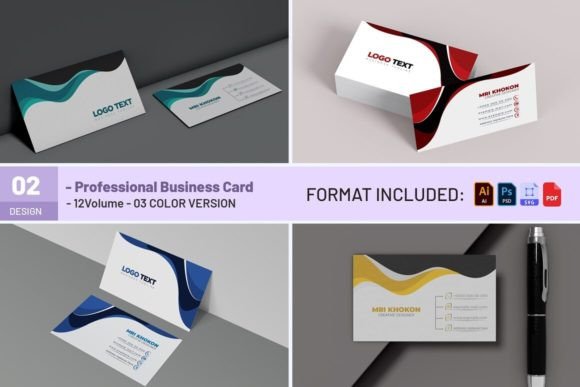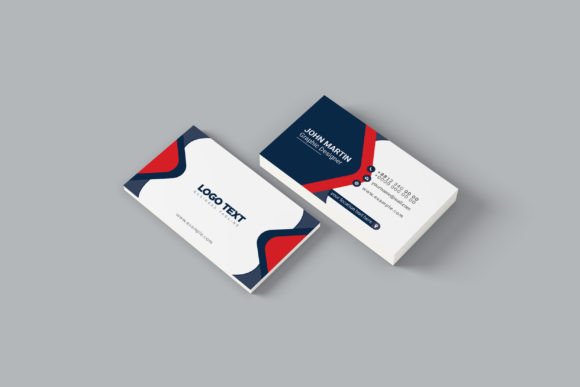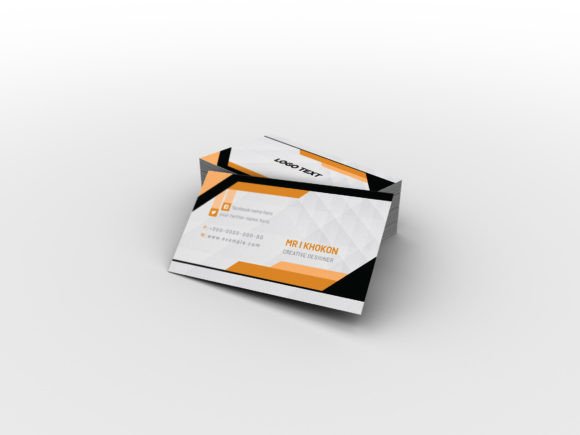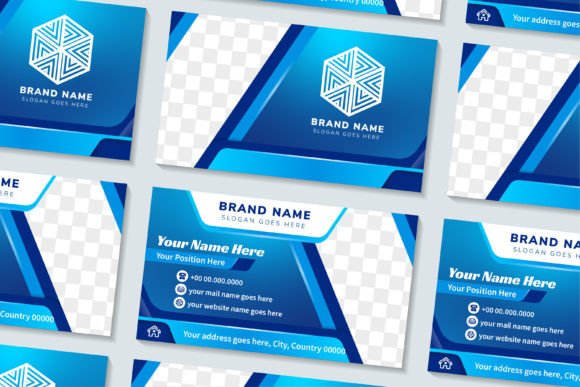
Creative Vertical Clean Business Card
First Impression: Sleek, Silent, and Surprisingly Versatile
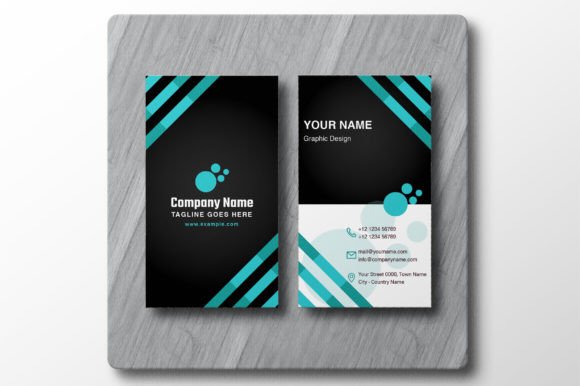
When I opened the Creative Vertical Clean Business Card template, I didn’t see just another vector layout—I saw potential for quiet confidence. It’s not flashy or ornate; it’s vertical, uncluttered, and built on intentional negative space. The typography is crisp but warm, the alignment is precise without feeling rigid, and the overall shape invites focus—not distraction. As an embroidery designer who’s stitched everything from baby onesies to boutique aprons, I immediately pictured this as a subtle monogrammed detail on a linen tea towel, a minimalist patch on a denim tote, or even a refined label sewn into a handmade sweater.
Where It Shines in Real Embroidery Projects
This isn’t a design that begs for attention—it earns it through restraint. I tested it conceptually across several real-world applications:
- Embroidered patches: Its vertical orientation and clean lines translate beautifully to small- to medium-sized woven or embroidered patches—ideal for craft fairs or Etsy shop branding.
- Tote bag design: Centered on the front of a natural canvas tote, it reads clearly at arm’s length without overwhelming the fabric’s texture.
- Sweatshirt embroidery: On a heavyweight cotton blend, the spacing between letters and the modest height keep stitch density manageable—no puckering, no thread buildup.
- Baby embroidery: For a soft organic cotton onesie or burp cloth, its simplicity avoids visual noise while still feeling intentional and elevated.
- Holiday embroidery: Paired with a single seasonal accent (like a tiny satin-stitched pine sprig beside the name), it becomes a timeless gift tag or personalized ornament backing.
Where to Proceed Thoughtfully
Like any strong design, Creative Vertical Clean Business Card asks for thoughtful execution—not just placement. Here’s where your judgment matters most:
- Small hoop sizes: If you’re stitching on a curved surface like a cap or a narrow pillow cover edge, confirm the full vertical layout fits comfortably within your hoop—some machines may require splitting or repositioning.
- Textured or stretchy fabric: On terry cloth towels or lightweight knits, use cutaway stabilizer and reduce stitch density slightly to preserve legibility—especially in thinner letterforms.
- Dark fabric: Test thread colors thoroughly. A light gray or heathered charcoal can read more elegantly than stark white on black, depending on your brand voice.
- Tiny lettering: While the design avoids micro-details, verify that any custom name or title stays above 6mm height for reliable satin stitch coverage—running stitch outlines help, but fill stitches need breathing room.
- Frequent-wash items: For kitchen towels or baby clothes, reinforce with a light tear-away + cutaway combo, and avoid overly dense fill areas that could stiffen over time.
What It Adds to Your Finished Product—Beyond Aesthetics
This template doesn’t just look good—it quietly elevates perception. When customers see Creative Vertical Clean Business Card stitched onto a handmade apron or a custom sweatshirt, they register professionalism before they even read the name. That’s rare in handcrafted goods. It signals intentionality: not “I slapped something on,” but “I chose this because it belongs here.”
For Etsy sellers and small shop owners, that translates directly to trust—and repeat buyers. It also supports brand consistency across physical and digital touchpoints: use the same layout on your packaging tag, your printable mockup, and your embroidered product, and customers begin recognizing your visual rhythm.
As a personalized gift, it feels considered—not generic. A linen pillow cover with Creative Vertical Clean Business Card stitched in oatmeal thread? Warm, grounded, memorable. A navy cap with it in matte navy-on-navy? Understated but unmistakably yours.
Practical Notes Every Embroidery Designer Should Keep Handy
Before you load it into your machine or list it in your shop:
- Test the design on scrap fabric matching your final project’s weight and stretch.
- Check thread color contrast against both light and dark backgrounds—you’ll likely use it across multiple products.
- Review stitch density in the software preview. Look for tight clusters or long satin runs that may benefit from slight digitizing tweaks.
- Confirm hoop size compatibility—especially if adapting for caps, sleeves, or curved seams.
- Inspect small details like terminal points and spacing. Zoom in: do corners hold cleanly? Does the baseline stay consistent?
- Try a black-and-white mockup first. If it works without color, it’ll work with it.
- Use proper stabilizer—not just for hold, but for drape retention on wearable items.
- Verify licensing terms. Since Creative Vertical Clean Business Card is a Graphics asset in the Print Templates category, confirm whether commercial use (e.g., selling finished embroidered goods or digital embroidery files) is permitted under your purchase.
A Design That Works With You—Not Around You
I’ve reviewed hundreds of embroidery-ready graphics, and what stands out about Creative Vertical Clean Business Card isn’t novelty—it’s reliability. It doesn’t fight your fabric, your machine, or your customer’s expectations. It fits naturally into a craft business workflow: easy to adapt, simple to explain to clients (“clean, modern, vertical—just like your brand voice”), and versatile enough to serve as a signature detail across apparel, home goods, and gifts.
It’s the kind of design that reminds you why you started stitching in the first place—not for complexity, but for clarity. And when your next tote bag, sweatshirt, or baby blanket needs that quiet stamp of quality? This one’s ready.