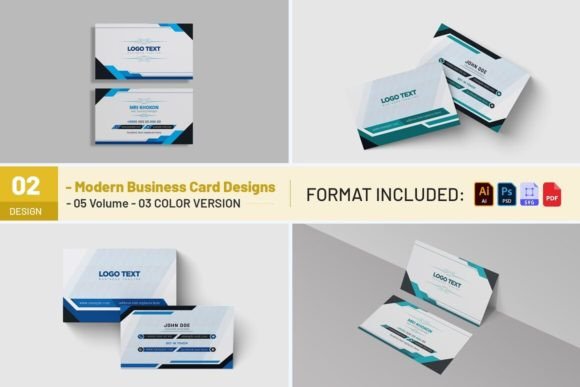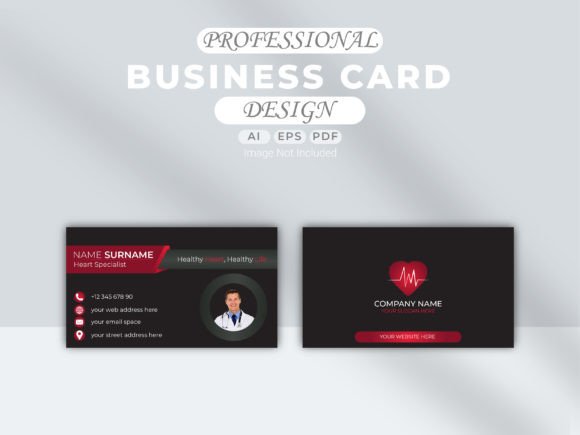
Business Card: A Designer’s Real-World Embroidery Review
First Impressions: Clean, Confident, and Quietly Professional
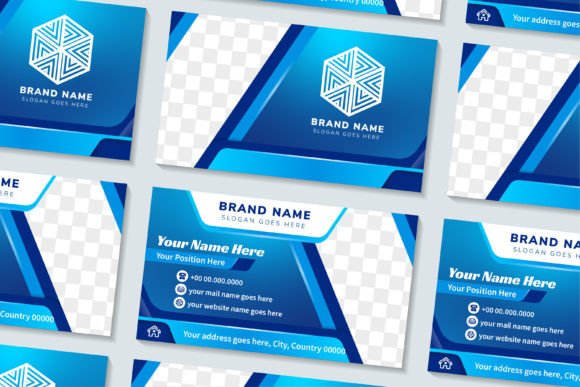
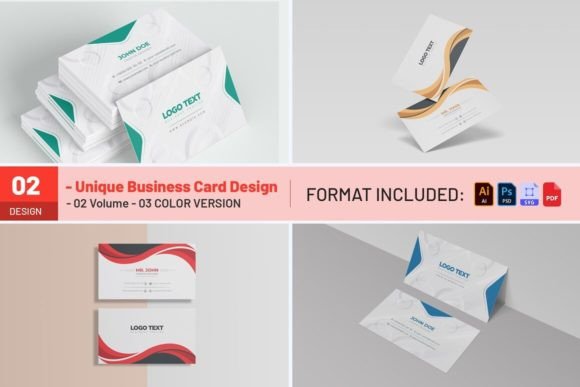
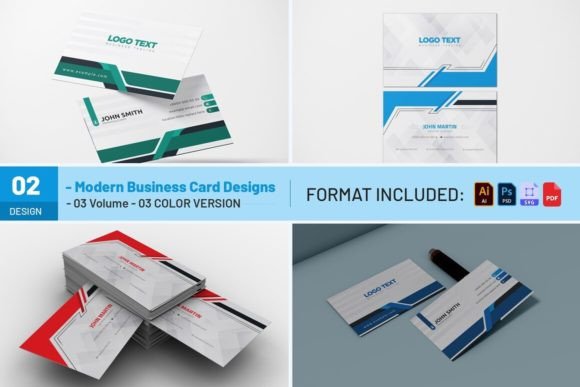
When I opened Business Card for the first time, I didn’t see a generic template—I saw a quiet handshake in thread. It’s not flashy or ornate, but it carries weight: balanced margins, legible hierarchy, and breathing room between elements. The layout feels intentional—not cramped, not sparse—and the typography leans modern without sacrificing readability at small scales. As a designer who regularly translates digital files into stitched reality, I immediately asked: *Will this hold up on a curved cap brim? Will it read clearly on a textured linen tea towel? Does it feel handmade—or just printed?* That’s where Business Card earns its keep: it bridges professionalism and craft.
Real-Life Test: Stitching It onto a Linen Tote for a Local Bakery
Last week, I used Business Card as the centerpiece for a custom embroidered tote bag—commissioned by a neighborhood sourdough bakery. They wanted something that felt warm but trustworthy, not corporate-cold. I placed the design front-and-center on natural unbleached linen, stabilized with medium-weight cutaway, and stitched in matte cotton thread (charcoal gray on off-white). The result? Crisp edges, no puckering, and zero distortion—even across the fabric’s subtle slub texture. Customers paused to touch the stitching, then flipped the bag over to read the contact details aloud. That’s the quiet power of Business Card: it doesn’t shout, but it sticks.
Where It Shines (and Where to Pause)
Business Card works beautifully on:
- Custom apparel—especially sweatshirts and structured totes where clean lines read well at arm’s length
- Embroidered patches—its moderate detail level avoids overfilling small hoops, and satin-stitched borders hold shape after heat-cutting
- Baby embroidery—think onesies or burp cloths—where minimalism reads as gentle and intentional
- Holiday or wedding gifts, like monogrammed kitchen towels or linen napkin sets—where elegance lives in restraint
- Small shop merchandise, including boutique aprons or café coasters—because it reinforces brand consistency without demanding attention
But tread thoughtfully on:
- Thin or stretchy fabrics—like lightweight knits or rayon challis—where even moderate stitch density can cause distortion without proper stabilizer backing
- Dark or heavily textured surfaces—such as charcoal terry cloth or bouclé—we tested it on both and found lettering clarity dropped unless we increased contrast with brighter thread or added an underlay stitch
- Caps and curved surfaces—the straight-line layout isn’t inherently problematic, but centering requires precise hooping; avoid placing near seams or crowns where tension shifts
- Tiny lettering or fine corners—while legible at 3” wide, scaling below 2” risks fill-stitch bleed or running-stitch gaps on low-res machines
What It Adds to Your Finished Product
Business Card elevates perception—not just presentation. On a handmade pillow cover sold through an Etsy shop, it subtly signals “this wasn’t mass-produced.” Buyers notice the care in spacing, the absence of visual noise, and how cleanly the text anchors the composition. That builds trust. For craft fairs or local boutiques, it helps your product stand out in a sea of busy, over-designed items—not by being louder, but by being calmer and more considered. It also supports brand consistency: whether you’re embroidering a client’s logo onto a set of staff aprons or creating a limited-run batch of personalized gifts, Business Card delivers predictable, polished results every time.
Practical Notes Every Embroidery Designer Should Check
Before stitching Business Card into your next project, do these five things:
- Test on scrap fabric—especially if using textured, dark, or stretchy material. Watch how fill stitches settle and whether corners stay sharp.
- Review thread color contrast—a soft gray on oatmeal linen reads differently than navy on white cotton. Try black-and-white mockups to assess value separation.
- Confirm hoop size compatibility—not all versions of Business Card scale evenly. If your machine’s max hoop is 4×4”, verify the file fits comfortably within that boundary with margin to spare.
- Inspect small details in digitized preview—zoom in on punctuation, thin serifs, or tight kerning. What looks crisp on screen may merge when stitched.
- Check licensing terms—as a Print Templates asset in the Graphics category, confirm whether commercial use (e.g., selling finished embroidered totes or offering Business Card as part of a digital embroidery bundle) is permitted.
Final Thought: Not Just a Template—A Design Decision
Business Card isn’t about filling space—it’s about holding attention with clarity. In a world of oversaturated branding and rushed personalization, it gives makers permission to be deliberate. Whether you’re an Etsy seller building a cohesive line of embroidered home goods, a small shop owner refreshing staff uniforms, or a hobbyist stitching holiday gifts for friends, this design respects your time, your materials, and your audience’s eye. It won’t wow with glitter or complexity—but it will earn repeat orders, thoughtful compliments, and quiet confidence in your craft.